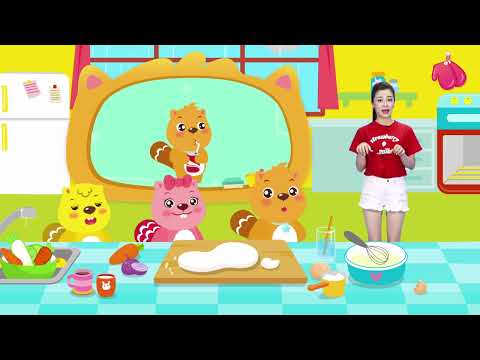
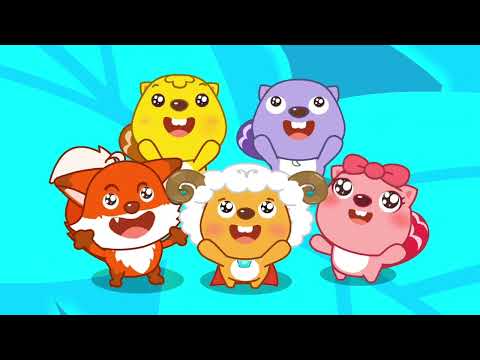
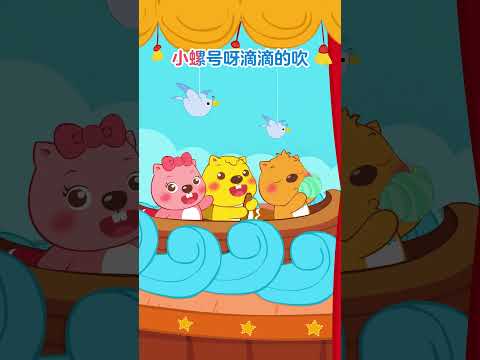
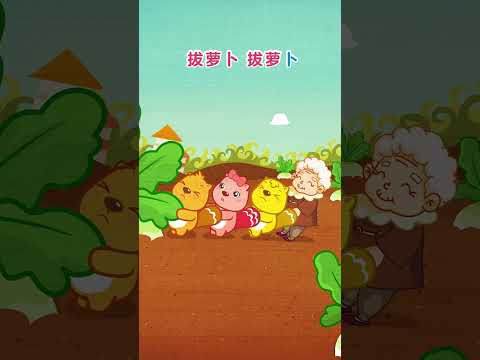
貝瓦兒歌 (Beva Kids Songs) is the official Mandarin Chinese YouTube channel for one of China's largest early-childhood music and animation brands, featuring 2D-animated nursery rhymes, bedtime stories, and everyday habit songs starring a cheerful little beaver.
Channel Overview
Produced by children's media platform Beva (Zhiqi), the show centers on Beva (貝瓦), a friendly, curious young beaver wearing blue overalls, alongside his little sister Bei-la (貝拉), his parents, and animal friends like Little Rabbit (小兔子) and Little Bear. Through colorful 2D flash-style animations, the characters sing classic Mandarin nursery rhymes (such as 兩隻老虎 / Two Tigers, 小兔子乖乖, and 找朋友) alongside original educational tracks. Young children enjoy the channel for its bright, clear illustrations, gentle character designs, and catchy, repetitive sing-along melodies.
Parent Safety Note
• Tone and Pacing. The channel maintains a cheerful, gentle, and moderately paced tone compared to hyper-stimulating 3D toddler channels. While its sing-along nursery rhymes are lively for daytime play, it also features dedicated bedtime stories (睡前故事) and soft lullabies designed to help young children wind down before sleep.
• Content Safety. Tailored specifically for babies and preschoolers on YouTube Kids, the videos are wholesome and free of harsh language, graphic violence, or mature themes. Parents should only note that traditional folk songs (such as 小兔子乖乖 / Little Rabbit Be Good) feature classic storybook villains like the Big Bad Wolf (大灰狼) trying to trick the little rabbits, though every story ends safely. (Note: All spoken audio and songs are presented in Mandarin Chinese
Age & Educational Value
• Target Age Group. Ages 1–6 (babies, toddlers, and preschoolers).
• Skills Taught. Videos focus on early Mandarin Chinese vocabulary, listening comprehension, and musical rhythm through classic rhymes and poetry. Songs also reinforce healthy daily habits and safety rules (such as bathing in 我愛洗澡, brushing teeth, not opening the door to strangers, and making friends) alongside basic nature knowledge, counting, and animal recognition.
|


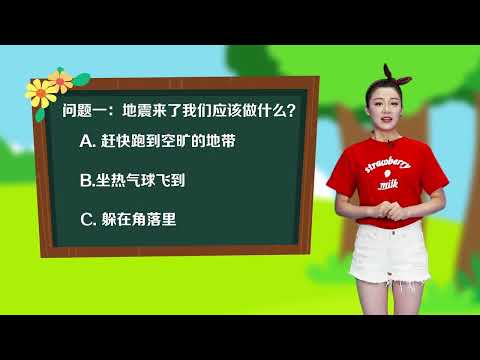
 貝瓦兒歌 - 經典童謠 - 卡通動畫 - 最好的儿歌