

 | シナぷしゅch 904k subscribers - 1,174.4m views 4.3k videos Country: JP - Language: ja |

 シナぷしゅch |
| Suggested age: 0-3 |
| November 22, 2026 👀 0 Views 💕 0 Likes |

| シナぷしゅch |
| Suggested age: 0-3 |
| November 23, 2026 👀 0 Views 💕 0 Likes |

| シナぷしゅch |
| Suggested age: 0-3 |
| November 24, 2026 👀 0 Views 💕 0 Likes |

| シナぷしゅch |
| Suggested age: 0-3 |
| November 25, 2026 👀 0 Views 💕 0 Likes |

| シナぷしゅch |
| Suggested age: 0-3 |
| November 25, 2026 👀 0 Views 💕 0 Likes |
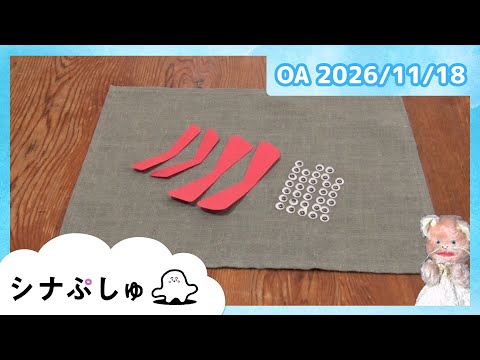
| シナぷしゅch |
| Suggested age: 0-3 |
| November 17, 2026 👀 40.6k Views 💕 40 Likes |

| シナぷしゅch |
| Suggested age: 0-3 |
| November 18, 2026 👀 11k Views 💕 14 Likes |

| シナぷしゅch |
| Suggested age: 0-3 |
| November 18, 2026 👀 11k Views 💕 15 Likes |

| シナぷしゅch |
| Suggested age: 0-3 |
| November 18, 2026 👀 9.6k Views 💕 15 Likes |

| シナぷしゅch |
| Suggested age: 0-3 |
| November 18, 2026 👀 7.4k Views 💕 12 Likes |

| シナぷしゅch |
| Suggested age: 0-3 |
| November 18, 2026 👀 1.1k Views 💕 2 Likes |

| シナぷしゅch |
| Suggested age: 0-3 |
| November 18, 2026 👀 10.6k Views 💕 57 Likes |

| シナぷしゅch |
| Suggested age: 0-3 |
| November 18, 2026 👀 3.1k Views 💕 3 Likes |

| シナぷしゅch |
| Suggested age: 0-3 |
| November 18, 2026 👀 9.2k Views 💕 12 Likes |

| シナぷしゅch |
| Suggested age: 0-3 |
| November 18, 2026 👀 4.9k Views 💕 36 Likes |

| シナぷしゅch |
| Suggested age: 0-3 |
| November 18, 2026 👀 31.4k Views 💕 33 Likes |

| シナぷしゅch |
| Suggested age: 0-3 |
| November 19, 2026 👀 2.3k Views 💕 30 Likes |

| シナぷしゅch |
| Suggested age: 0-3 |
| November 19, 2026 👀 55.2k Views 💕 79 Likes |

| シナぷしゅch |
| Suggested age: 0-3 |
| November 20, 2026 👀 22.6k Views 💕 26 Likes |

| シナぷしゅch |
| Suggested age: 0-3 |
| November 20, 2026 👀 5.1k Views 💕 9 Likes |

| シナぷしゅch |
| Suggested age: 0-3 |
| November 21, 2026 👀 707 Views 💕 10 Likes |

| シナぷしゅch |
| Suggested age: 0-3 |
| November 16, 2026 👀 30.1k Views 💕 31 Likes |

| シナぷしゅch |
| Suggested age: 0-3 |
| November 15, 2026 👀 27.6k Views 💕 36 Likes |

| シナぷしゅch |
| Suggested age: 0-3 |
| November 14, 2026 👀 933 Views 💕 21 Likes |

| シナぷしゅch |
| Suggested age: 0-3 |
| November 12, 2026 👀 18.2k Views 💕 32 Likes |

| シナぷしゅch |
| Suggested age: 0-3 |
| November 13, 2026 👀 1.8k Views 💕 7 Likes |

| シナぷしゅch |
| Suggested age: 0-3 |
| November 11, 2026 👀 20.3k Views 💕 25 Likes |

| シナぷしゅch |
| Suggested age: 0-3 |
| November 12, 2026 👀 332 Views 💕 4 Likes |

| シナぷしゅch |
| Suggested age: 0-3 |
| November 10, 2026 👀 23.6k Views 💕 52 Likes |

| シナぷしゅch |
| Suggested age: 0-3 |
| November 11, 2026 👀 4.4k Views 💕 14 Likes |

| シナぷしゅch |
| Suggested age: 0-3 |
| November 11, 2026 👀 563 Views 💕 7 Likes |

| シナぷしゅch |
| Suggested age: 0-3 |
| November 9, 2026 👀 24.3k Views 💕 41 Likes |

| シナぷしゅch |
| Suggested age: 0-3 |
| November 8, 2026 👀 24.1k Views 💕 36 Likes |

| シナぷしゅch |
| Suggested age: 0-3 |
| November 7, 2026 👀 709 Views 💕 9 Likes |

| シナぷしゅch |
| Suggested age: 0-3 |
| November 5, 2026 👀 11.9k Views 💕 18 Likes |

| シナぷしゅch |
| Suggested age: 0-3 |
| November 6, 2026 👀 3.8k Views 💕 14 Likes |

| シナぷしゅch |
| Suggested age: 0-3 |
| November 6, 2026 👀 263 Views 💕 2 Likes |

| シナぷしゅch |
| Suggested age: 0-3 |
| November 4, 2026 👀 23.3k Views 💕 38 Likes |

| シナぷしゅch |
| Suggested age: 0-3 |
| November 5, 2026 👀 521 Views 💕 11 Likes |

| シナぷしゅch |
| Suggested age: 0-3 |
| October 31, 2026 👀 4.6k Views 💕 37 Likes |

| シナぷしゅch |
| Suggested age: 0-3 |
| November 1, 2026 👀 3.1k Views 💕 14 Likes |

| シナぷしゅch |
| Suggested age: 0-3 |
| November 1, 2026 👀 38.6k Views 💕 53 Likes |

| シナぷしゅch |
| Suggested age: 0-3 |
| November 2, 2026 👀 28.7k Views 💕 46 Likes |

| シナぷしゅch |
| Suggested age: 0-3 |
| November 3, 2026 👀 20.9k Views 💕 21 Likes |

| シナぷしゅch |
| Suggested age: 0-3 |
| November 4, 2026 👀 1.6k Views 💕 2 Likes |

| シナぷしゅch |
| Suggested age: 0-3 |
| November 4, 2026 👀 676 Views 💕 3 Likes |

| シナぷしゅch |
| Suggested age: 0-3 |
| November 4, 2026 👀 808 Views 💕 5 Likes |

| シナぷしゅch |
| Suggested age: 0-3 |
| November 4, 2026 👀 922 Views 💕 5 Likes |

| シナぷしゅch |
| Suggested age: 0-3 |
| November 4, 2026 👀 2.1k Views 💕 5 Likes |

| シナぷしゅch |
| Suggested age: 0-3 |
| November 4, 2026 👀 1.8k Views 💕 4 Likes |

| シナぷしゅch |
| Suggested age: 0-3 |
| November 4, 2026 👀 491 Views 💕 3 Likes |

| シナぷしゅch |
| Suggested age: 0-3 |
| November 4, 2026 👀 1.5k Views 💕 13 Likes |

| シナぷしゅch |
| Suggested age: 0-3 |
| November 4, 2026 👀 4.7k Views 💕 4 Likes |

| シナぷしゅch |
| Suggested age: 0-3 |
| November 4, 2026 👀 491 Views 💕 12 Likes |

| シナぷしゅch |
| Suggested age: 0-3 |
| October 29, 2026 👀 1.3k Views 💕 15 Likes |

| シナぷしゅch |
| Suggested age: 0-3 |
| October 29, 2026 👀 24.6k Views 💕 50 Likes |

| シナぷしゅch |
| Suggested age: 0-3 |
| October 30, 2026 👀 3.4k Views 💕 14 Likes |

| シナぷしゅch |
| Suggested age: 0-3 |
| October 30, 2026 👀 2.6k Views 💕 4 Likes |

| シナぷしゅch |
| Suggested age: 0-3 |
| October 26, 2026 👀 29.5k Views 💕 49 Likes |

| シナぷしゅch |
| Suggested age: 0-3 |
| October 27, 2026 👀 23.1k Views 💕 38 Likes |

| シナぷしゅch |
| Suggested age: 0-3 |
| October 28, 2026 👀 6.1k Views 💕 14 Likes |

| シナぷしゅch |
| Suggested age: 0-3 |
| October 28, 2026 👀 1k Views 💕 9 Likes |

| シナぷしゅch |
| Suggested age: 0-3 |
| October 28, 2026 👀 3.5k Views 💕 6 Likes |

| シナぷしゅch |
| Suggested age: 0-3 |
| October 24, 2026 👀 5k Views 💕 41 Likes |

| シナぷしゅch |
| Suggested age: 0-3 |
| October 25, 2026 👀 22.9k Views 💕 39 Likes |

| シナぷしゅch |
| Suggested age: 0-3 |
| October 22, 2026 👀 21.6k Views 💕 31 Likes |

| シナぷしゅch |
| Suggested age: 0-3 |
| October 23, 2026 👀 3k Views 💕 8 Likes |

| シナぷしゅch |
| Suggested age: 0-3 |
| October 21, 2026 👀 19.9k Views 💕 14 Likes |
| シナぷしゅch |
| Suggested age: 0-3 |
| October 22, 2026 👀 568 Views 💕 10 Likes |

| シナぷしゅch |
| Suggested age: 0-3 |
| October 20, 2026 👀 22.9k Views 💕 28 Likes |

| シナぷしゅch |
| Suggested age: 0-3 |
| October 21, 2026 👀 5.4k Views 💕 14 Likes |

| シナぷしゅch |
| Suggested age: 0-3 |
| October 21, 2026 👀 1.4k Views 💕 0 Likes |

| シナぷしゅch |
| Suggested age: 0-3 |
| October 21, 2026 👀 819 Views 💕 2 Likes |

| シナぷしゅch |
| Suggested age: 0-3 |
| October 21, 2026 👀 3.2k Views 💕 7 Likes |

| シナぷしゅch |
| Suggested age: 0-3 |
| October 21, 2026 👀 1k Views 💕 7 Likes |

| シナぷしゅch |
| Suggested age: 0-3 |
| October 21, 2026 👀 2.5k Views 💕 15 Likes |

| シナぷしゅch |
| Suggested age: 0-3 |
| October 21, 2026 👀 775 Views 💕 8 Likes |

| シナぷしゅch |
| Suggested age: 0-3 |
| October 19, 2026 👀 21.2k Views 💕 27 Likes |

| シナぷしゅch |
| Suggested age: 0-3 |
| October 20, 2026 👀 3.9k Views 💕 21 Likes |

| シナぷしゅch |
| Suggested age: 0-3 |
| 👀 44.8k Views 💕 63 Likes |

| シナぷしゅch |
| Suggested age: 0-3 |
| 👀 25.3k Views 💕 40 Likes |

| シナぷしゅch |
| Suggested age: 0-3 |
| 👀 10.9k Views 💕 7 Likes |

| シナぷしゅch |
| Suggested age: 0-3 |
| 👀 3.7k Views 💕 43 Likes |

| シナぷしゅch |
| Suggested age: 0-3 |
| 👀 24.4k Views 💕 39 Likes |

| シナぷしゅch |
| Suggested age: 0-3 |
| 👀 65.8k Views 💕 116 Likes |

| シナぷしゅch |
| Suggested age: 0-3 |
| 👀 14.2k Views 💕 24 Likes |

| シナぷしゅch |
| Suggested age: 0-3 |
| 👀 4.5k Views 💕 49 Likes |

| シナぷしゅch |
| Suggested age: 0-3 |
| 👀 33.7k Views 💕 54 Likes |

| シナぷしゅch |
| Suggested age: 0-3 |
| 👀 28.4k Views 💕 44 Likes |

| シナぷしゅch |
| Suggested age: 0-3 |
| 👀 22.2k Views 💕 26 Likes |

| シナぷしゅch |
| Suggested age: 0-3 |
| 👀 8.6k Views 💕 20 Likes |

| シナぷしゅch |
| Suggested age: 0-3 |
| 👀 1.7k Views 💕 15 Likes |

| シナぷしゅch |
| Suggested age: 0-3 |
| 👀 22.5k Views 💕 37 Likes |
| シナぷしゅch |
| Suggested age: 0-3 |
| 👀 532 Views 💕 11 Likes |

| シナぷしゅch |
| Suggested age: 0-3 |
| 👀 33.9k Views 💕 43 Likes |

| シナぷしゅch |
| Suggested age: 0-3 |
| 👀 27.9k Views 💕 32 Likes |